
Mississippi Was Right to Use Commercial Data to Clean Its Voter Rolls
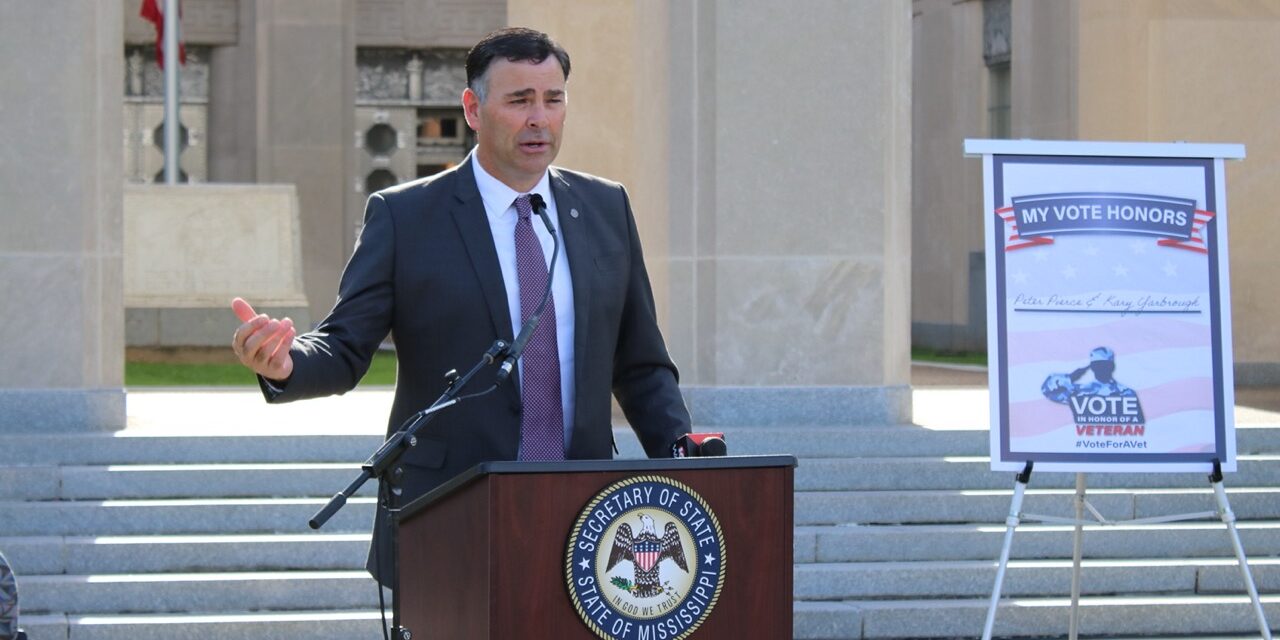
(Daily Signal) – The ink was not even dry on Mississippi’s November 2026 midterm ballots when the manufactured outrage machine began.
Advocacy groups and members of the press piled on because voters flagged as inactive had to cast affidavit (provisional) ballots that required additional review before they were counted. Critics claim it was an unnecessary burden on eligible voters because some voters were marked inactive in error.
Strip away the outrage, and here is what happened: Mississippi enacted strong list accuracy measures, followed the law, and a large majority of affidavit ballots were found eligible and counted.
The Help America Vote Act requires every state to offer a provisional ballot to a voter whose eligibility or registration status is in question at the polls, and the affidavit ballot is simply Mississippi’s version of it. Far from suppressing the vote, it is the lawful safeguard and safety net that lets a voter cast a ballot while also ensuring that election officials verify eligibility before counting it.
Because the results in the Mississippi Senate race are so close, each affidavit ballot is being scrutinized, and unfair accusations are being thrown at election officials.
In 2025, Mississippi Secretary of State Michael Watson’s office initiated a responsible list-maintenance program that gave county election commissioners the best available address information, including commercial data, to supplement the U.S. Postal Service’s National Change of Address (NCOA) data. This information simply starts the mail notice to voters requesting that they confirm their current address, a process under the federal National Voter Registration Act.
Local officials were then tasked to flag discrepancies and verify them before updating anyone’s status. An eligible voter who is flagged simply confirms or updates his or her address and can vote, and the affidavit ballot gives the voter the chance to cure the problem and ensures that no eligible voter is turned away.
Affidavit ballots are cast for a variety of reasons, including the lack of ID to prove identity. While there is an extra step of review by nonpartisan election officials, according to the Mississippi secretary of state, as of Nov. 6, about 78% of affidavit ballots have been accepted after confirmation of eligibility or cure by the voter.
Watson has pointed out that county election commissioners are required by law to verify information before changing a voter’s file. He has also defended the affidavit ballot as “a safety net for errors” in voter roll maintenance, one that leads to “more accurate voter rolls” and helps “decrease opportunities for voter fraud.”
Mississippi’s efforts point to a broader lesson for list accuracy. In its Election Integrity Scorecard, The Heritage Foundation recommends that states not rely solely on NCOA to identify registrants who have moved. Instead, they should supplement NCOA data with high-quality commercial data, such as that from credit reporting agencies, to verify addresses and flag discrepancies between registration records and actual residence. Commercial data is simply a tool that can help election officials catch address changes and inaccurate records that NCOA and other government sources miss.